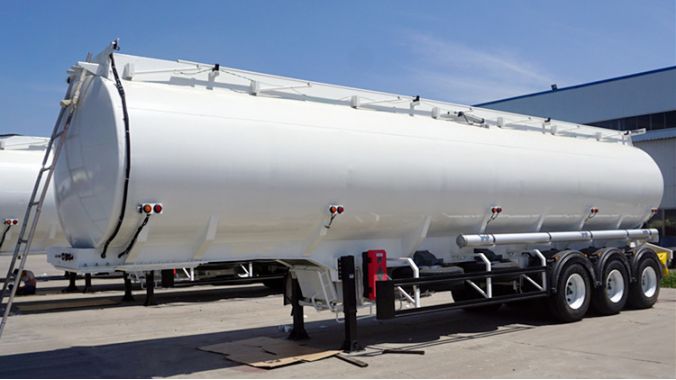
1. What is a fuel tanker called?
2. How many litres is a fuel tanker?
3. What are the three types of CIMC tanker?
4. How much does fuel tanker prices?
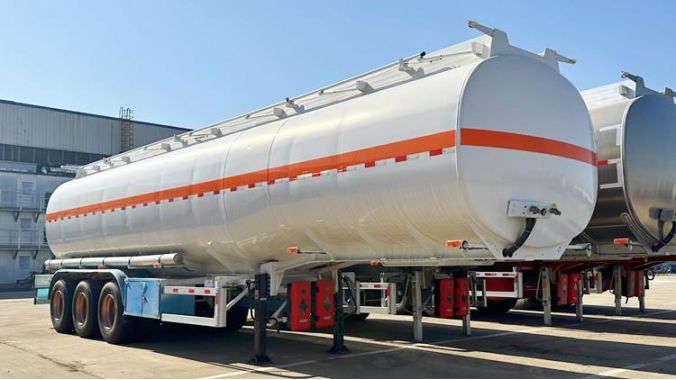
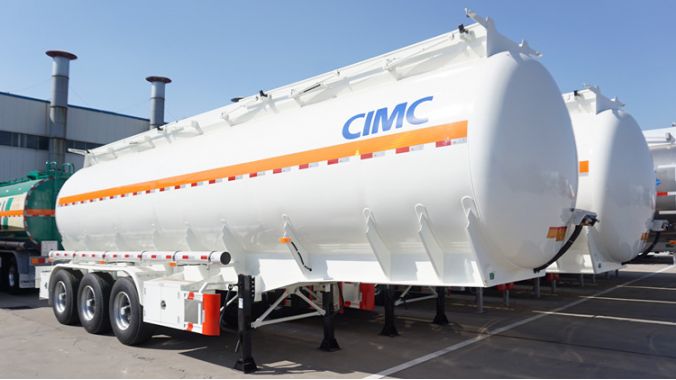
CIMC fuel tanker are a collective term for liquid tank transport vehicles manufactured by CIMC Vehicles (Group) Co., Ltd. and its subsidiaries (such as CIMC Ruijiang in Wuhu, CIMC Tonghua in Yangzhou, and CIMC Lingyu in Luoyang). As a leading global manufacturer of semi-trailers and special-purpose vehicles, CIMC Vehicles holds a significant market share and technological dominance in the CIMC fuel tanker sector, with its product line covering all transportation needs from hazardous chemicals to food-grade liquids. According to official data, as of 2025, CIMC Vehicles' market share in liquid tank trucks exceeded 26.5%, firmly ranking first in the industry.
A core feature of CIMC fuel tanker is their strict material classification for different transport media.
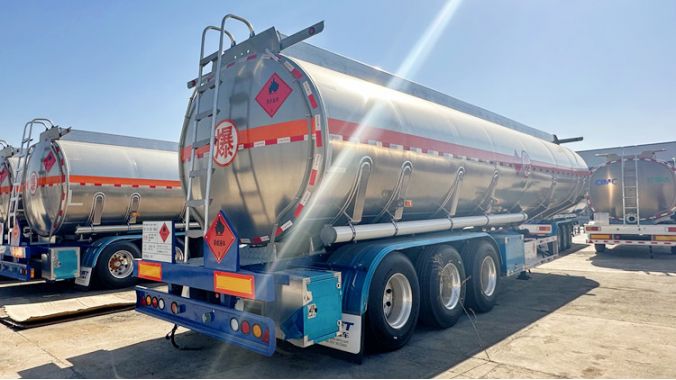
In the hazardous chemicals transportation sector, CIMC produces a large number of CIMC fuel tanker made of aluminum alloy and stainless steel for transporting flammable liquids such as gasoline, diesel, and methanol. For these high-risk media, CIMC fuel tanker has adopted advanced design concepts. For example, it has introduced a two-section tank structure, which reduces one circumferential weld seam compared to the traditional three-section tank, and optimized the front cone angle to 3°-5°, improving stress distribution uniformity by 60% and reducing the risk of leakage due to weld cracking at the source. To address industry pain points such as unloading residue and liquid sloshing impact during transportation, CIMC fuel tanker have improved unloading speed by 5% and reduced residue rate by 10% by optimizing tank angles and bottom discharge channels. They have also undergone rigorous 30,000 km extreme road condition testing to ensure vehicle stability and safety under complex road conditions.
In the food-grade transportation sector, the tank material of CIMC fuel tanker that comes into contact with edible oil must be made of stainless steel; the use of ordinary carbon steel or aluminum alloy materials that may leach harmful substances is strictly prohibited. This vehicle is designed with hygiene and ease of cleaning in mind: the tank cross-section is limited to circular or elliptical to improve flowability; the baffles feature a passable design for easy personnel access for cleaning; the inner wall roughness is less than 0.8 micrometers, and welding deformation is less than 0.1%, greatly reducing the possibility of oil residue and bacterial growth.
Beyond safety and materials, CIMC fuel tanker also prioritize the economic benefits of lightweighting and intelligent design. By adopting high-strength aluminum alloys, air suspension, and structural optimization that eliminates the traditional main beam, CIMC fuel tanker significantly reduce their weight while maintaining load-bearing capacity. Furthermore, some CIMC fuel tanker can even control the material residue rate to below 0.08%. This extreme lightweighting and low-residue design directly translates into higher cargo capacity and lower cargo damage, creating significant economic value for customers.
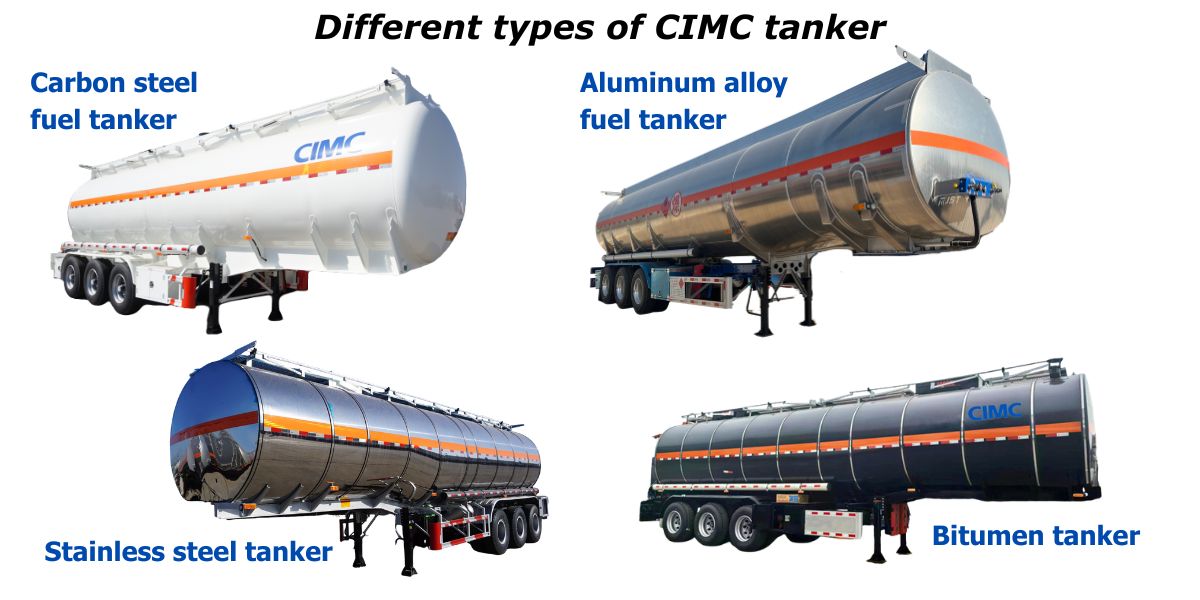
Based on the latest product announcements and industry data, CIMC Vehicles produces fuel tanker with a very wide range of tank capacities. Depending on the vehicle structure, axle configuration, and the specific media being transported, the CIMC tanker volume typically ranges from small single axle trucks of around 19 cubic meters to large 4 axle fuel tanker of 60 cubic meters.
Among its numerous product lines, large fuel tanker trailers are CIMC's flagship models, widely used for long haul transportation of petroleum, chemicals, and food grade liquids. For example, a 4 axle fuel tanker from CIMC Huajun boasts a tank volume of 60 cubic meters and a body length of 13 meters, making it one of the largest capacity models in CIMC tanker's current product line, ideal for large-scale, low-density transport of chemicals or fuels. Another flammable liquid tank transport fuel tanker trailer, produced by Shenzhen CIMC Special Vehicle Co., Ltd., has an effective tank volume of 48 cubic meters and a tank dimension of 10,990 mm. Through optimized long and short wheelbase design, it maximizes loading efficiency while ensuring driving stability.
Besides the ultra-large capacity models, fuel tanker in the 40-45 cubic meter range represent the golden capacity segment in CIMC taker matrix, with huge market demand. 3 axle fuel tanker is one of the most common configurations used for transporting diesel, gasoline, crude oil, and other petroleum products. Its capacity typically ranges from 40,000 litres to 45,000 litres. Among them, the 45,000 litre CIMC tanker trailer is especially popular in African, Middle Eastern, and Southeast Asian markets because it offers an excellent balance between payload capacity and road compliance. CIMC also provides large capacity solutions for transporting food grade materials such as edible oils. For example, a CIMC tanker for transporting edible oil has a total insulated tank capacity of 42 cubic meters and an effective volume of 40 cubic meters. The internal dimensions of the CIMC tanker are precisely designed to achieve a very high loading capacity while ensuring excellent insulation performance.
For smaller capacity needs, such as short-distance delivery or single-vehicle transportation scenarios, CIMC tanker also offers a variety of options ranging from 19 cubic meters to 38 cubic meters. Among them, CIMC Huajun's fuel tanker trailer offers a 32.8 cubic meter capacity option. In the single-vehicle (integrated cargo truck) sector, a CIMC tanker built on a Sinotruk chassis has an effective tank volume of 20.7 cubic meters, primarily used for short distance transfer of refined oil products and gas station delivery.
These abundant data demonstrate that CIMC tanker capacity is not fixed, but rather refined based on different numbers of axles, different media densities (light fuel oil/heavy chemicals/edible oil), and different transportation scenarios.
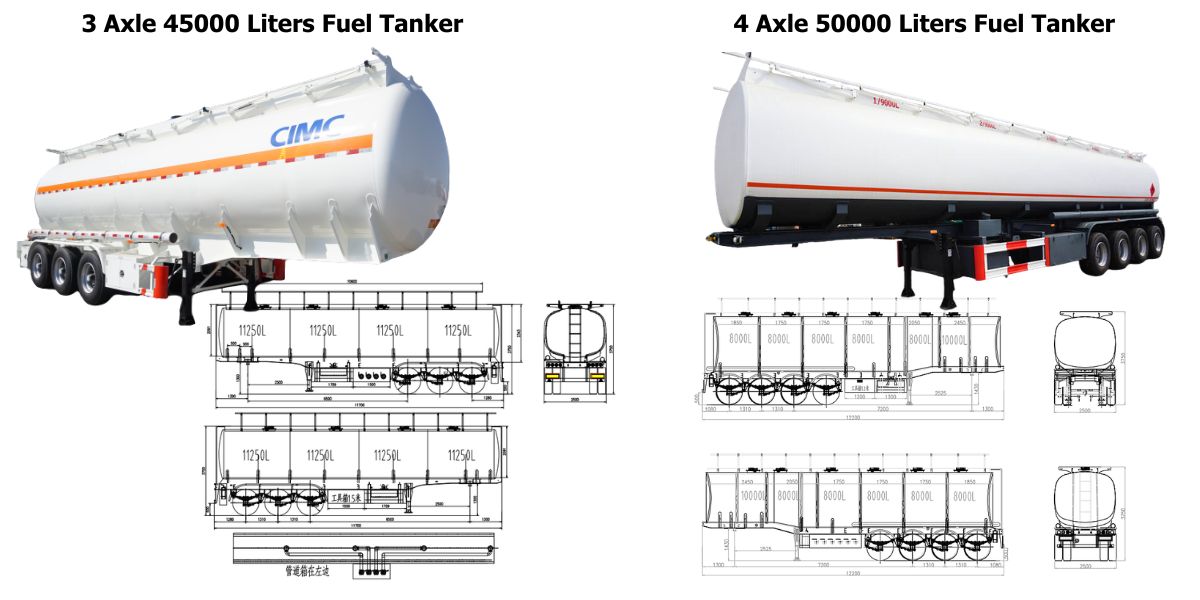
In terms of manufacturing materials, CIMC tanker mainly come in three types: carbon steel fuel tanker, stainless steel fuel tanker, and aluminum alloy fuel tanker. Different materials exhibit significant differences in vehicle weight, corrosion resistance, service life, transport media, and procurement costs. Therefore, customers need to make a reasonable selection based on their actual transportation needs when purchasing.
1. Carbon steel fuel tanker
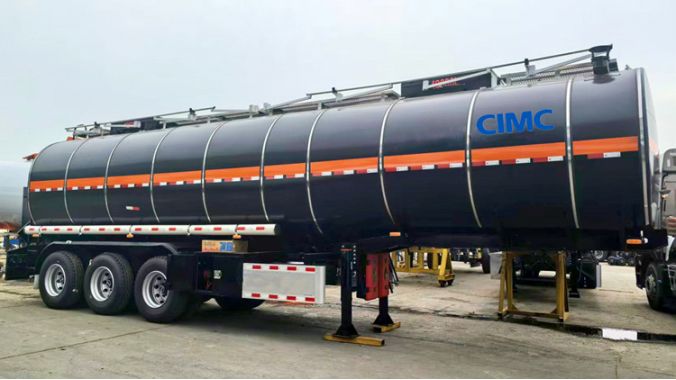
Carbon steel fuel tanker is among the most widely used and prevalent vehicle types on the market, and represent the most traditional and economical choice in CIMC tanker's product line. The core advantages of carbon steel fuel tanker lie in their superior mechanical strength and lower material costs. Carbon steel possesses high tensile strength and impact resistance, capable of withstanding various mechanical stresses and accidental collisions during transportation. For users transporting diesel, heavy oil, asphalt, and some chemical liquids, carbon steel fuel tanker can meet most transportation needs.
Because carbon steel is inherently prone to oxidation and corrosion, CIMC typically performs sandblasting and anti-corrosion coating treatments on both the inside and outside of the tank to extend the vehicle's lifespan. Compared to other materials, the biggest advantages of carbon steel fuel tanker is lower procurement costs, easier maintenance, and ample spare parts supply, making them ideal for markets in Africa, the Middle East, and Southeast Asia where budgets are more sensitive.
From a weight perspective, carbon steel fuel tanker is relatively heavy. This greater weight means that, within regulatory gross vehicle weight limits, the rated payload of carbon steel fuel tanker is relatively lower, impacting transportation efficiency. Therefore, carbon steel is more suitable for operating scenarios with limited budgets, relatively fixed transportation routes, and where vehicle weight is not extremely sensitive.
2. Stainless steel fuel tanker
Stainless steel fuel tanker is a high-end product line launched by CIMC tanker for the transportation of fine chemical liquids, food-grade liquids, and highly corrosive media. Stainless steel has excellent corrosion resistance; even with prolonged contact with acidic, alkaline, or corrosive liquids, it is not prone to rusting. Therefore, it is widely used in the transportation of food-grade liquids and some chemical liquids. For example, many customers prioritize stainless steel fuel tanker when transporting edible oils, alcohol, molasses, dairy products, and some high-requirement chemical raw materials.
Compared to carbon steel, the inner wall of stainless steel fuel tanker is smoother, less prone to impurities, and easier to clean, effectively preventing cross-contamination between different media. At the same time, stainless steel has a better aesthetic appeal, maintaining a high quality appearance even after long term use.
Although the initial purchase cost of stainless steel fuel tanker is significantly higher than that of carbon steel fuel tanker, their longer service life, lower maintenance costs, higher residual value, and wider range of applicable media give them a competitive life-cycle cost advantage.
3. Aluminum alloy fuel tanker
Aluminum alloy fuel tanker is CIMC's most representative product in the field of lightweighting, representing the technological direction of modern road transportation's pursuit of ultimate efficiency. The density of aluminum alloy is about one-third that of steel, a physical property that directly translates into a significant reduction in tank weight. Under the same volume and configuration, aluminum alloy fuel tanker is typically 4 to 6 tons lighter than carbon steel fuel tanker. This lower weight means that within regulatory gross weight limits, aluminum alloy fuel tanker can legally carry more cargo, thus creating higher per-trip transport revenue for users.
In addition to the advantages of lightweighting, aluminum alloy materials also bring significant safety benefits. Aluminum alloy has excellent electrical conductivity, making it difficult for static electricity to accumulate on the tank surface, effectively preventing fires and explosions caused by static sparks. When a vehicle collides or overturns, the aluminum alloy material does not generate sparks, fundamentally eliminating the risk of sparks igniting hazardous media. The lower overall vehicle weight allows for a lower center of gravity design, resulting in better driving stability and less tire wear.
In terms of corrosion resistance, aluminum alloy surfaces naturally form a dense alumina coating, preventing erosion from the atmosphere and humid environments. Therefore, the CIMC tanker surface does not require any protective coating and can directly transport various oil products and some chemicals. Structurally, the baffles of aluminum alloy fuel tanker are manufactured using a one-piece molding process, allowing for thorough cold work hardening of the material, resulting in a strength 30% to 40% higher than traditional processes. The baffles and tank body feature a surface contact design with a wide contact area, ensuring that impact stress is effectively distributed across the tank body.
The manufacturing process of aluminum alloy fuel tanker requires higher precision and involves complex welding techniques. The procurement cost is typically the highest among the three materials, making them more suitable for large oil transportation companies and customers with high operational efficiency requirements.
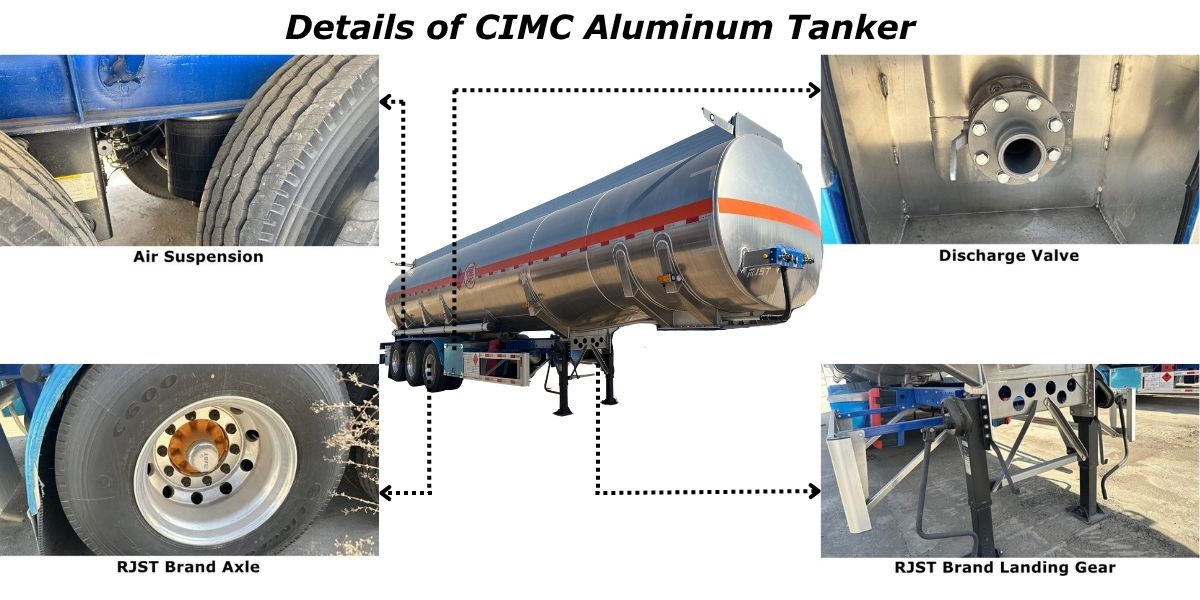
In summary, if customers prioritize procurement costs and return on investment speed, carbon steel CIMC tanker is the most economical and practical choice. For transporting food-grade liquids or corrosive chemicals, stainless steel CIMC tanker offer superior corrosion resistance and hygiene. For fuel transport companies seeking maximum cargo capacity, minimum operating costs, and long-term economic benefits, aluminum alloy CIMC tanker is undoubtedly a more competitive high-end solution. Each of the three materials has its advantages, and there is no absolute superiority or inferiority; the key factors are the type of medium being transported, the operating environment, and the investment budget.
The CIMC fuel tanker prices is not fixed but is influenced by various factors such as tank volume, material configuration, axle brand, transported medium, and customer customization requirements. Currently, the CIMC fuel tanker prices on the market typically ranges from $15,000 to $40,000, depending on their volume and configuration. For models exported to markets in Africa, the Middle East, and Southeast Asia, exchange rates, ocean freight, tariffs, and local regulations must also be considered, resulting in varying final transaction prices.
The price of CIMC tank semi-trailers varies significantly, primarily influenced by the following six core factors:
1. Tank Material: Carbon steel fuel tanker is the most competitively priced due to their lower manufacturing costs, higher strength, and wider applicability, and are widely used for transporting common petroleum products such as diesel and heavy oil. Stainless steel fuel tanker with their excellent corrosion resistance, are suitable for transporting aviation kerosene, chemical liquids, and media requiring high purity; therefore, CIMC fuel tanker prices is typically much higher than carbon steel models. Aluminum alloy fuel tanker offer advantages such as light weight, high load capacity, and good corrosion resistance, making them popular in European, American, and Middle Eastern markets; however, due to higher raw material costs, CIMC fuel tanker prices is usually the highest among the three materials.
2. Tank Volume: Common CIMC tnaker volumes range from 30,000 liters, 40,000 liters, 45,000 liters to 60,000 liters and even larger. As the volume increases, the required steel consumption, manufacturing process requirements, and chassis strength design all increase accordingly, thus raising the CIMC fuel tanker prices.
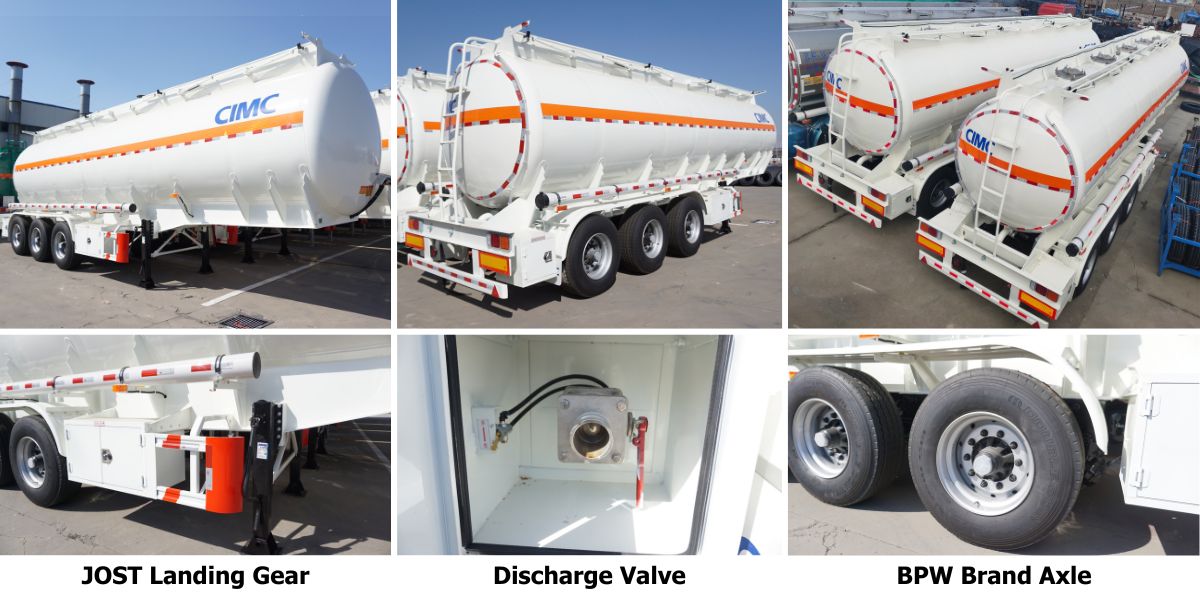
3. Chassis Configuration (Axles, Suspension, and Tires): CIMC tanker using internationally renowned brand axles, air suspension systems, and high-quality tires, while having higher procurement costs, offer better stability, longer service life, and lower maintenance costs. The number of axles also directly impacts CIMC fuel tanker prices.
4. Design and Manufacturing Standards: CIMC fuel tanker offer multi-compartment designs, such as 3, 4, or 5-compartment structures, to transport different types of oil products simultaneously. More compartments result in more complex partitions, piping, and valve systems, naturally increasing manufacturing costs.
5. Safety Features: As oil products are flammable and explosive hazardous materials, many countries and regions have strict requirements for the safety performance of CIMC tanker. For example, overflow prevention systems, vapor recovery systems, anti-static devices, emergency shut-off valves, bottom valves, explosion-proof toolboxes, and automatic fire extinguishing systems may be optional for customers or mandatory by regulations. These safety features not only improve transportation safety but also increase the overall vehicle manufacturing cost, thus affecting the final selling CIMC fuel tanker prices.
6. Personalized Customization: For example, designing a reinforced chassis for African mining roads, employing special anti-corrosion processes for the high-temperature environment of the Middle East, or customizing paint and logos according to the client's brand requirements all increase production process and material costs. Therefore, even for CIMC tanker of the same capacity, the final price may vary significantly between different customers.
In general, the CIMC fuel tanker prices is determined by a combination of factors, including materials, capacity, chassis configuration, safety systems, and customization needs. For customers, when choosing a fuel tanker trailer, they should not only focus on the purchase price but also comprehensively consider the vehicle's lifespan, operational efficiency, safety performance, and subsequent maintenance costs. Choosing a configuration that meets their own transportation needs and local regulations will result in a higher return on investment and longer-term operational benefits.